How to Think About Building Software Products
Building successful software products requires more than just good code. It requires a structured approach that connects market needs to…
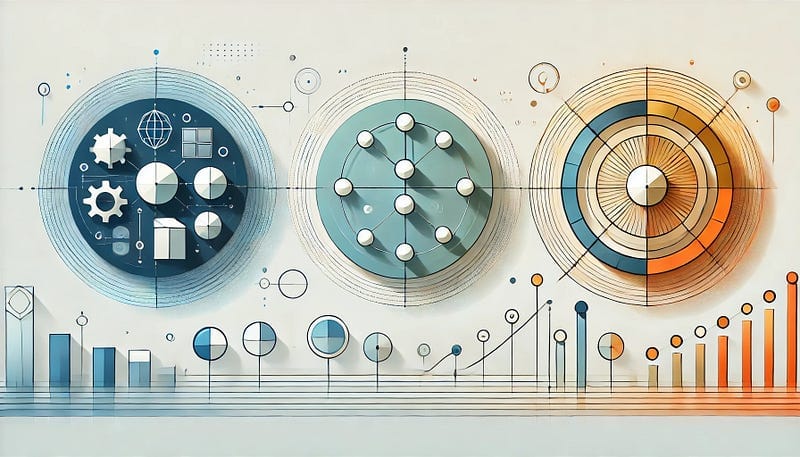
Building successful software products requires more than just good code. It requires a structured approach that connects market needs to technical implementation while ensuring efficient delivery. This post outlines a framework that breaks down product development into three core dimensions: Product Relevance, Product Architecture, and Product Process.
Product Relevance: Understanding Market Needs
At its core, product development starts with understanding what people need. The Product Relevance framework provides a straightforward way to connect market needs to implementation through three layers:
1. Consumption: What fundamental need are we fulfilling?
2. Capabilities: What abilities must we have to fulfill this need?
3. Components: What specific software components will provide these capabilities?
For example, in e-commerce, the consumption need is to buy and sell goods. This requires capabilities like inventory management, payment processing, and shipping management. These capabilities are then implemented through specific components like InventoryService, PaymentGateway, and AddressBookService.
Capabilities themselves come in different flavors:
- Technical capabilities: These enable software delivery (CI/CD, monitoring, etc.)
- Product capabilities: These directly serve user needs (search, checkout, etc.)
Success at each level is tracked through specific metrics:
- Consumption level: User engagement, customer satisfaction, market share
- Capability level: Usage frequency, success rates, performance metrics
- Component level: System uptime, API response times, error rates
Product Architecture: Creating Unique Value
Product Architecture is about how we arrange capabilities to create differentiated value.
Take Amazon and eBay — both satisfy the need to buy and sell goods, but their architectural choices create distinct experiences. Amazon focuses on direct retail with fixed prices, while eBay enables auctions and peer-to-peer selling.
These architectural choices fundamentally shape the user experience and business model. Good product architecture aligns capabilities with your unique value proposition while maintaining system efficiency.
Product Process: From Idea to Execution
The Product Process provides a clear hierarchy for execution:
1. Tasks: Individual units of work
2. Features/Chores: External/Internal deliverables
3. Epics: Large initiatives grouping related features
4. Releases: Themed collections of completed work
5. Roadmap: Strategic plan of releases
Work is executed through “Cells” — ideally single-person teams that own problems end-to-end. Starting with one person minimizes overhead and enables deep work. Cells can grow when:
- Feature complexity demands diverse expertise
- Timeline constraints require parallel work
- Specific skills gaps need to be filled
The release planning process follows these steps:
1. List all Features and Chores for the near to mid-term
2. Align on scope, implementation approach, and business justification
3. Prioritize and define the cut-line for the next release
4. Group remaining items into two categories:
— Upcoming: Next in line for implementation
— Future: Important but not immediately pressing
5. Name each release with its primary theme
6. Compile themed releases in delivery order to form the roadmap
Each release focuses on a primary theme while leaving room for miscellaneous requirements. This balance ensures strategic progress while maintaining flexibility for urgent needs.
Measuring Success
Metrics drive improvement across all levels:
Feature/Epic Level:
- Feature adoption/usage rates
- Time to complete user journeys
- A/B test results
- User feedback scores
Process Level:
- Sprint velocity
- Time from idea to production
- Production incident frequency
- Cell productivity
These metrics should inform decision-making but not dominate it. The goal is continuous improvement, not metric optimization.
Getting Started
To implement this framework:
1. Start with clear consumption needs — what problem are you solving?
2. Map out required capabilities and categorize them
3. Design your product architecture to create unique value
4. Set up your process, metrics and tools
5. Begin with small, focused cells
6. Measure and iterate
Success in product development comes from balancing user needs, technical excellence, and efficient delivery. This framework provides a structure for that balance while maintaining flexibility for your specific context.